 Available in US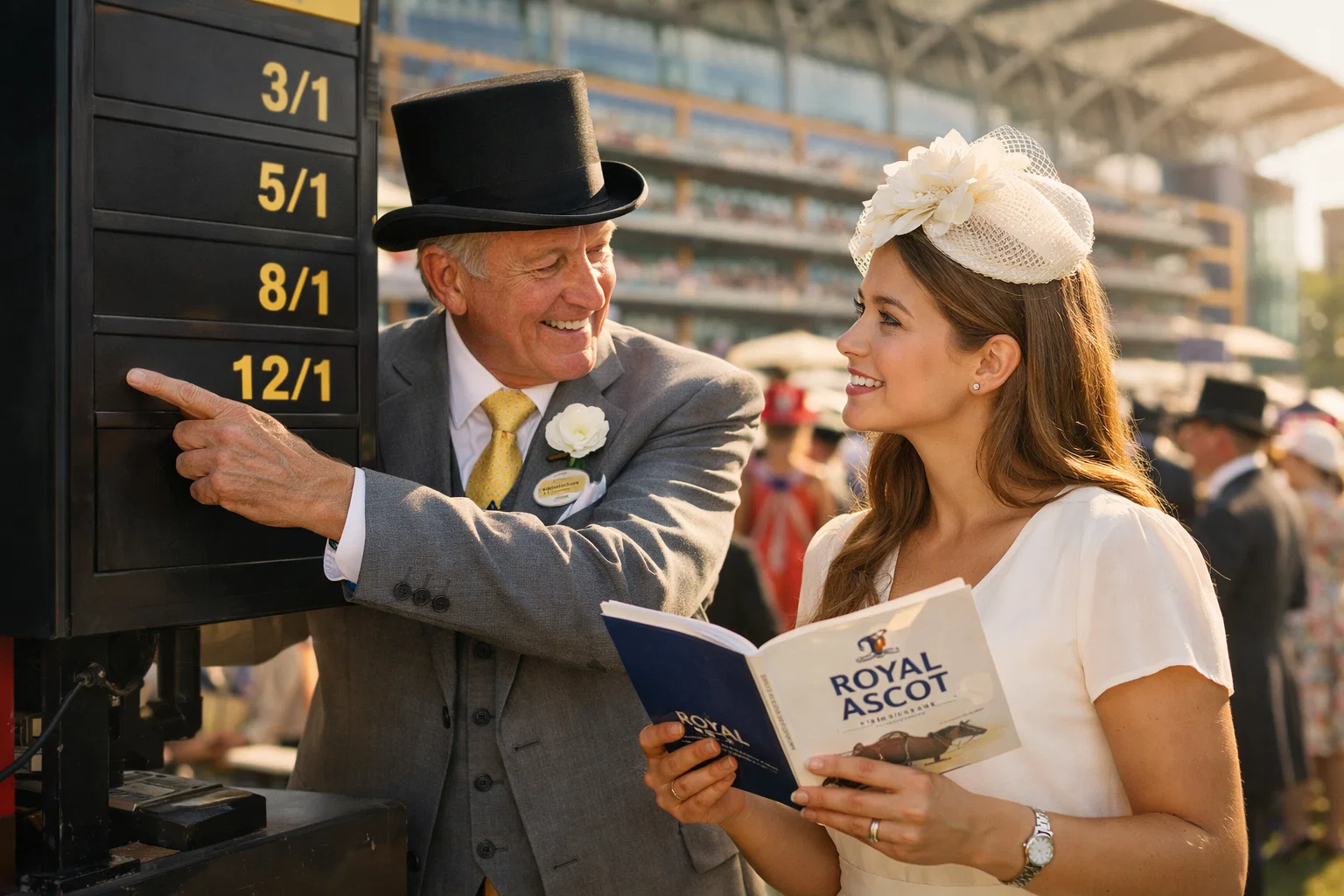
Royal Ascot attracts newcomers to horse racing betting every June, drawn by the spectacle, the tradition, and the possibility of backing a winner at Britain’s most prestigious flat racing meeting. If you’ve never placed a bet on the horses before, the terminology and mechanics can seem intimidating. They needn’t be.
Betting on Royal Ascot shares fundamentals with all horse racing wagering, but the meeting’s quality fields and extensive promotional activity create particularly favourable conditions for first-time punters. Bookmakers compete aggressively for new customers, offering welcome bonuses that reduce the effective cost of learning how betting works.
This guide covers everything beginners need to know for Royal Ascot 2026: understanding odds formats, the different bet types available, placing your first wager, and avoiding the common mistakes that catch inexperienced punters. The learning curve is gentler than it appears, and the rewards for getting it right extend beyond money to genuine engagement with world-class sport.
Royal Ascot Betting for Beginners 2026 — More on this topic at ante post horse racing.
Understanding Odds
Odds represent both the probability of an outcome and the return you’ll receive if your bet wins. Higher odds mean lower probability but bigger potential returns. Lower odds mean higher probability but smaller returns. This relationship is fundamental: bookmakers price horses based on their assessment of winning chances, with better fancied runners carrying shorter odds.
Fractional odds dominate UK horse racing betting. A horse priced at 4/1 (said as “four to one”) returns £4 profit for every £1 staked, plus your original stake back. So a £10 bet at 4/1 returns £50 total: £40 profit plus your £10 stake. A horse at 1/2 (said as “one to two” or “odds-on”) returns 50p profit for every £1 staked, meaning a £10 bet returns £15 total.
Decimal odds present the same information differently, showing total returns rather than profit. The 4/1 fractional price equals 5.0 decimal: your £10 bet multiplied by 5.0 equals £50 total returns. The 1/2 fractional price equals 1.5 decimal. Some punters find decimal odds clearer for calculating returns, though fractional remains the traditional UK format.
According to Gambling Commission research, approximately 7% of UK adults bet on horse racing during the peak April-July period that includes Royal Ascot. This seasonal spike reflects how major meetings attract newcomers who might not engage with everyday racing.
Starting price (SP) refers to the final odds available when the race begins. You can bet at SP rather than accepting current prices, meaning you’ll receive whatever the starting price turns out to be. Best Odds Guaranteed promotions combine this with early betting: you get whichever is higher between your original price and the SP.
Prices move throughout the day based on betting patterns. Heavy support for a horse shortens its price as bookmakers adjust to limit their liability. Lack of support causes prices to drift longer. Understanding this movement helps identify when to bet: early morning often offers better prices on horses that will shorten, while late drifters might signal concerns not visible in the form.
Types of Bets Explained
Win bets represent the simplest wager: you pick a horse to win the race. If it finishes first, you collect returns based on the odds. If it finishes anywhere else, you lose your stake. The clarity makes win betting ideal for beginners learning the mechanics.
Each-way bets split your stake between a win bet and a place bet on the same horse. The place portion pays out if your selection finishes in the places, typically first, second, or third depending on field size. Standard each-way terms pay the place portion at a fraction of the win odds, usually one-quarter or one-fifth. A £10 each-way bet actually costs £20: £10 on the win, £10 on the place.
Place terms vary by race. Fields of five to seven runners typically pay two places. Fields of eight or more pay three places. Large handicaps with sixteen-plus runners pay four places. Some bookmakers offer enhanced place terms as promotions, paying extra places beyond these standards. Checking the specific terms before betting ensures you understand what qualifying for “a place” actually means.
Accumulator bets combine multiple selections into one wager, with winnings from each race rolling onto the next. All selections must win for the accumulator to pay out. The potential returns multiply dramatically with each added leg, but so does the difficulty. A four-horse accumulator at average odds can return substantial sums from small stakes, but the probability of all four winning is genuinely low.
Forecast and tricast bets predict exact finishing order. Forecasts require naming first and second correctly. Tricasts require first, second, and third. The precision required means these bets fail often, but successful ones pay significantly more than win-only equivalents.
For beginners, starting with simple win bets or each-way bets on horses you genuinely fancy makes sense. The complexity of accumulators and exotic bets becomes manageable once you’re comfortable with fundamental betting mechanics.
How to Place Your First Bet
Placing your first bet requires a funded betting account with a licensed UK bookmaker. Registration involves providing personal details, verifying your identity, and depositing funds. The process takes minutes through any major bookmaker’s website or app, with most offering streamlined sign-up designed for quick access.
Choosing a bookmaker for your first Royal Ascot bet involves comparing welcome offers alongside ongoing features. New customer bonuses provide free bets or betting credits upon registration and qualifying bet placement. Best Odds Guaranteed ensures you receive the better of your bet price or starting price. The combination of welcome bonus and BOG protection reduces the effective cost of your first betting experience.
Navigate to the horse racing section and find Royal Ascot races. The race card displays each runner with their odds. Clicking or tapping a horse’s odds adds it to your bet slip. Enter your stake amount, confirm the bet type, and submit. The bet slip shows potential returns before you confirm, letting you check the mathematics match your expectations.
Qualifying bet requirements for welcome offers typically specify minimum stakes and minimum odds. Bets at very short prices might not trigger promotional benefits. Reading the terms before your first bet ensures it qualifies for whatever welcome offer you’re claiming.
Start with stakes you’re comfortable losing entirely. Betting involves risk, and Royal Ascot races can produce surprising results regardless of form analysis. Treating your initial bets as entertainment spending rather than investment maintains appropriate perspective while you learn how betting works in practice.
Keep records of your bets from the beginning. Noting what you backed, at what odds, and the outcome helps you identify patterns in your selections over time. This discipline proves valuable as you develop from complete beginner toward informed punter.
Common Beginner Mistakes
Chasing losses represents the most dangerous beginner pattern. After losing bets, the temptation to increase stakes hoping to recover can spiral into losses far exceeding original intentions. Setting a session budget and stopping when it’s gone, regardless of results, prevents chase-driven damage.
Betting on every race dilutes focus and accelerates losses. Royal Ascot features thirty-five races across five days, not all of which warrant your engagement. Identifying races where you hold genuine opinions and skipping those where you don’t maintains discipline. The goal is profitable decisions, not maximum activity.
Ignoring each-way value in competitive fields costs many beginners potential returns. When a horse has realistic place chances even if winning seems unlikely, each-way betting extracts value that win-only bets miss. Large Royal Ascot handicaps particularly suit this approach.
Failing to check promotional terms leads to disappointment when expected bonuses don’t materialise. Welcome offers carry specific conditions about qualifying bets, minimum odds, and turnover requirements. Understanding these before betting prevents assumption-based errors.
Following tips blindly without understanding the reasoning encourages dependency rather than development. Tips can inform your thinking, but accepting them uncritically teaches nothing about selection logic. Asking why a tipped horse might win, even if you ultimately follow the recommendation, builds analytical capability over time.
Overcomplicating early bets with exotic wagers, complex accumulators, or unfamiliar bet types increases confusion without proportional benefit. Mastering simple win and each-way betting first creates foundation for more sophisticated approaches later. Walk before running.
Your Royal Ascot Journey Starts Here
Royal Ascot betting welcomes newcomers who approach it with appropriate preparation and realistic expectations. Understanding odds, knowing your bet types, and avoiding common mistakes positions you for enjoyable engagement with world-class racing.
See also Mobile Betting at Royal Ascot 2026.
Start simply, stake sensibly, and treat early bets as learning experiences rather than profit opportunities. The punters who develop genuine skill all began as beginners. Royal Ascot 2026 offers excellent conditions for taking your first steps into horse racing betting.
